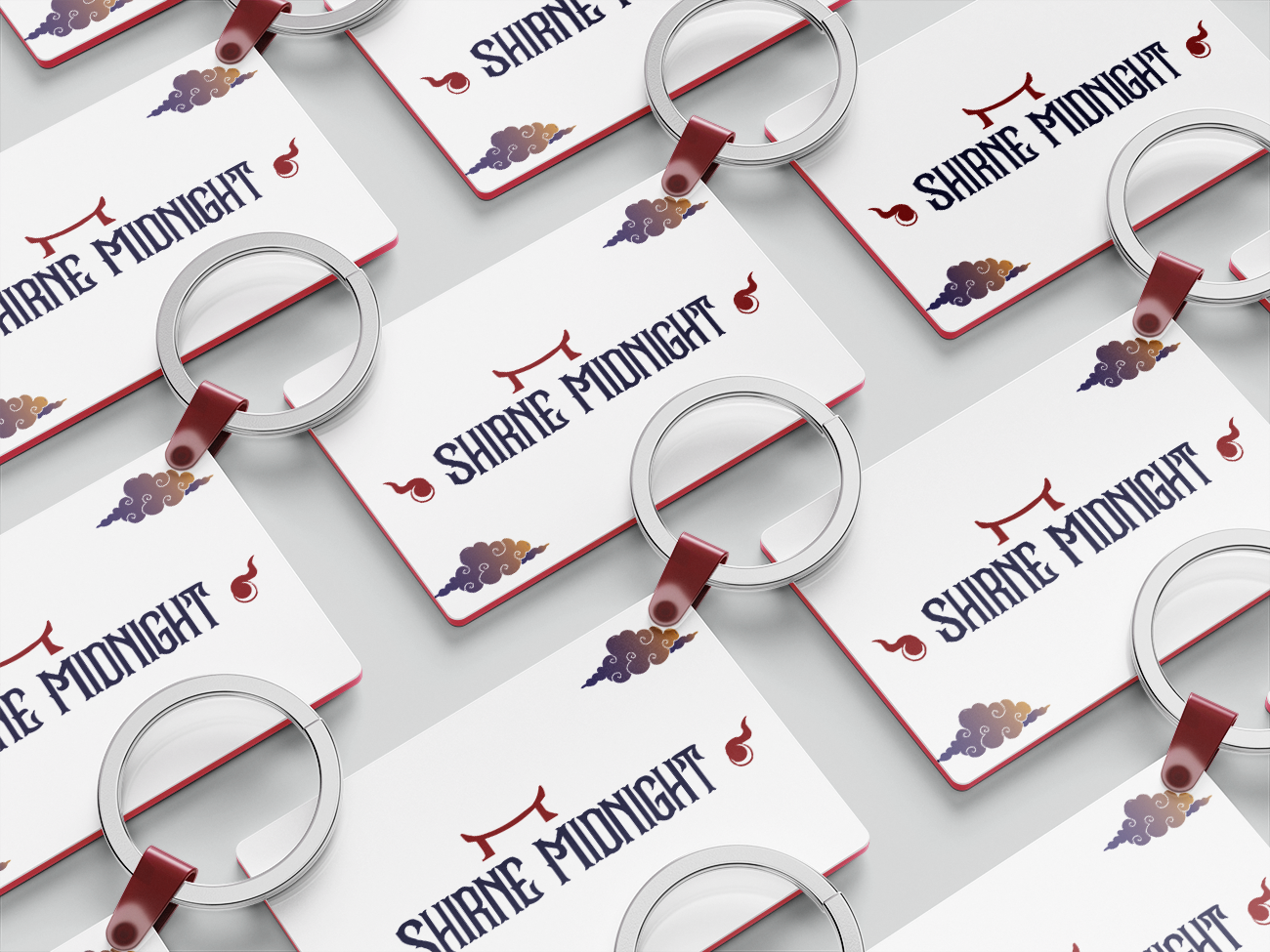
SHRINE MIDNIGHT

Game Design
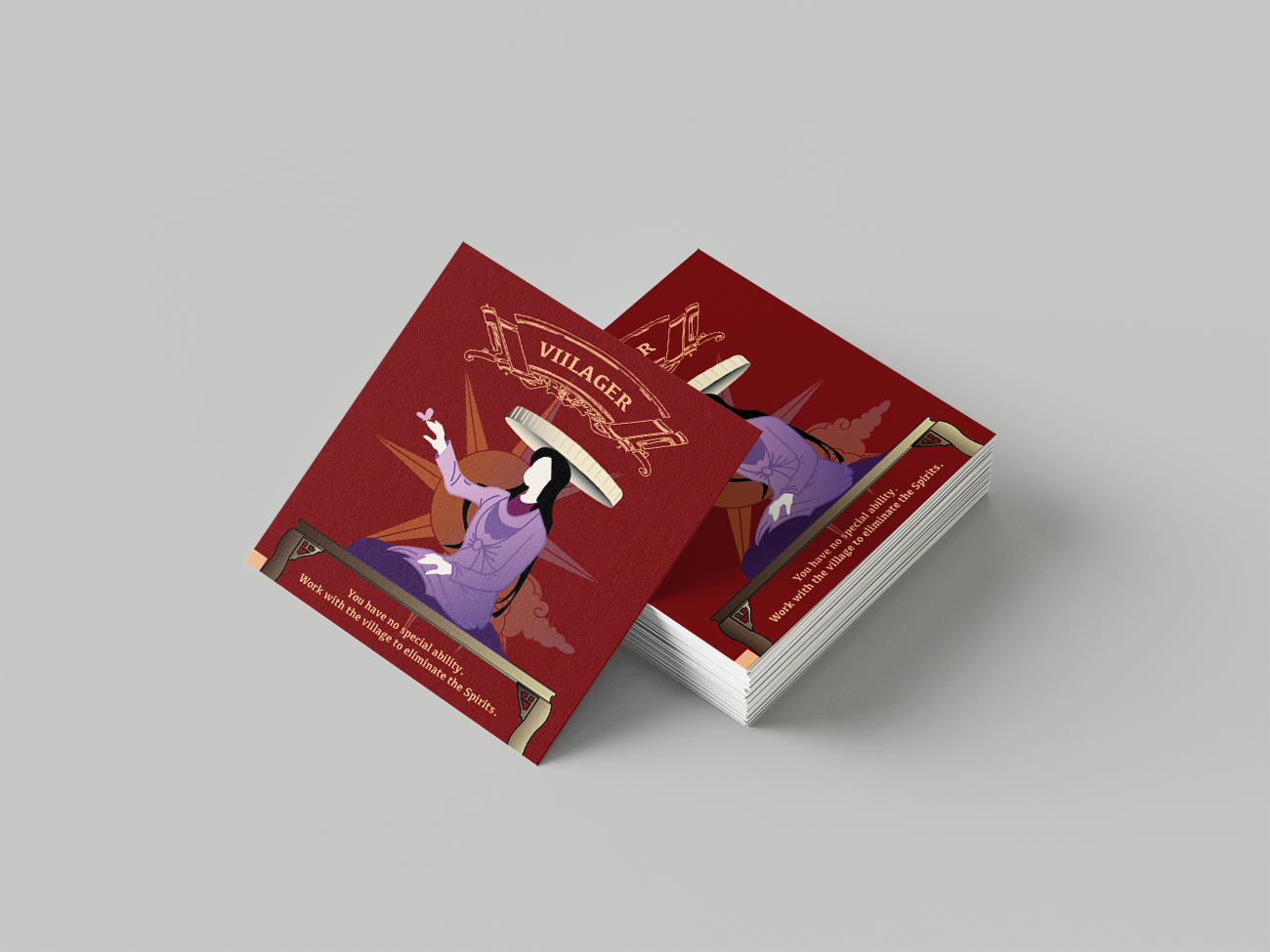
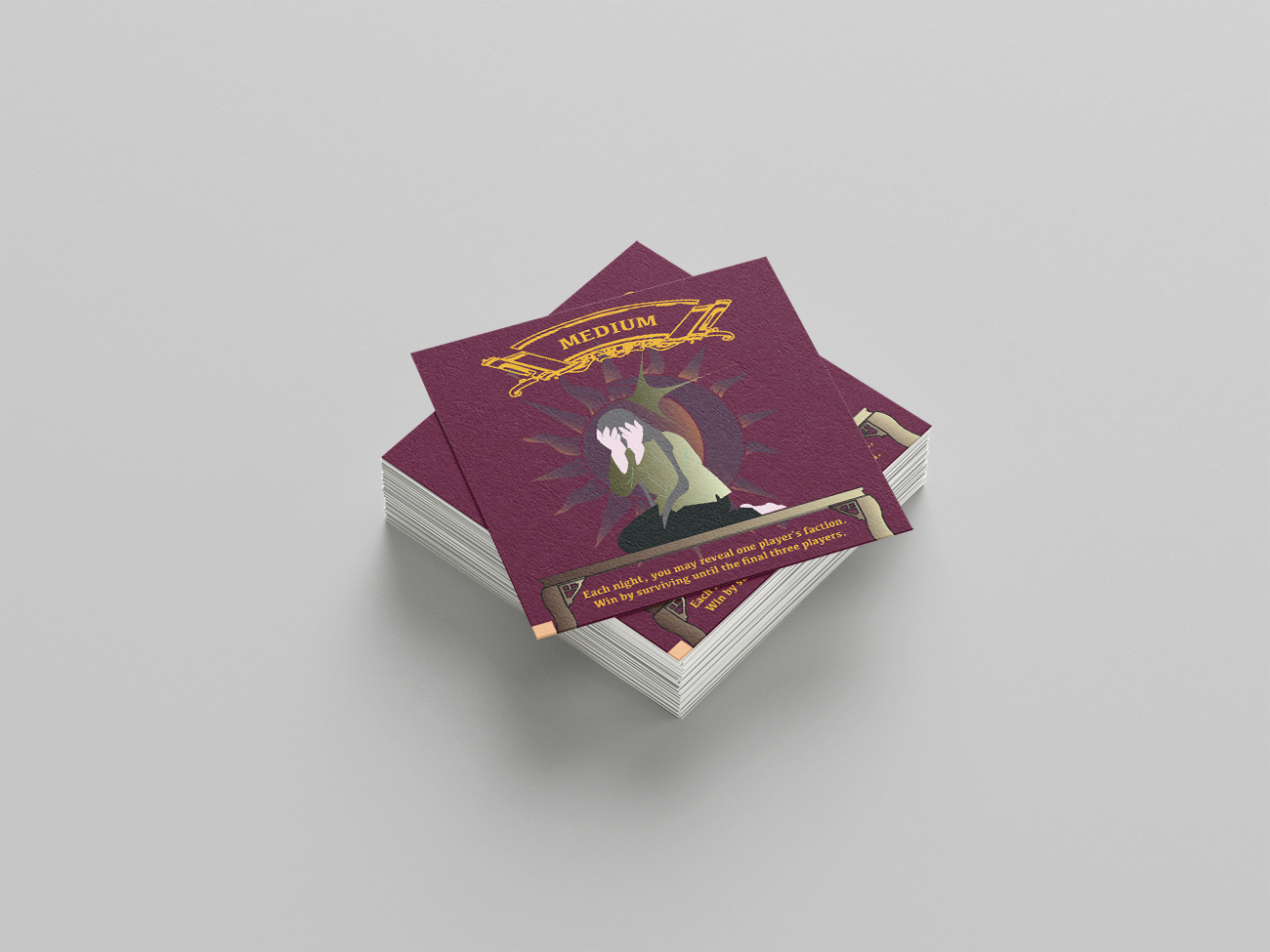
The concept is rooted in traditional Vietnamese folk culture, drawing inspiration from shrine architecture, historical costumes, classical illustrations, and spiritual beliefs. Instead of directly replicating these elements, I reinterpreted them into a stylized visual language suitable for a contemporary game system.
I was particularly interested in the contrast between the human world and the spirit world. This idea influenced both the gameplay structure and the visual direction—through the use of symbolic forms, ornamental details, and a controlled color palette that reflects tension, mystery, and ritual.
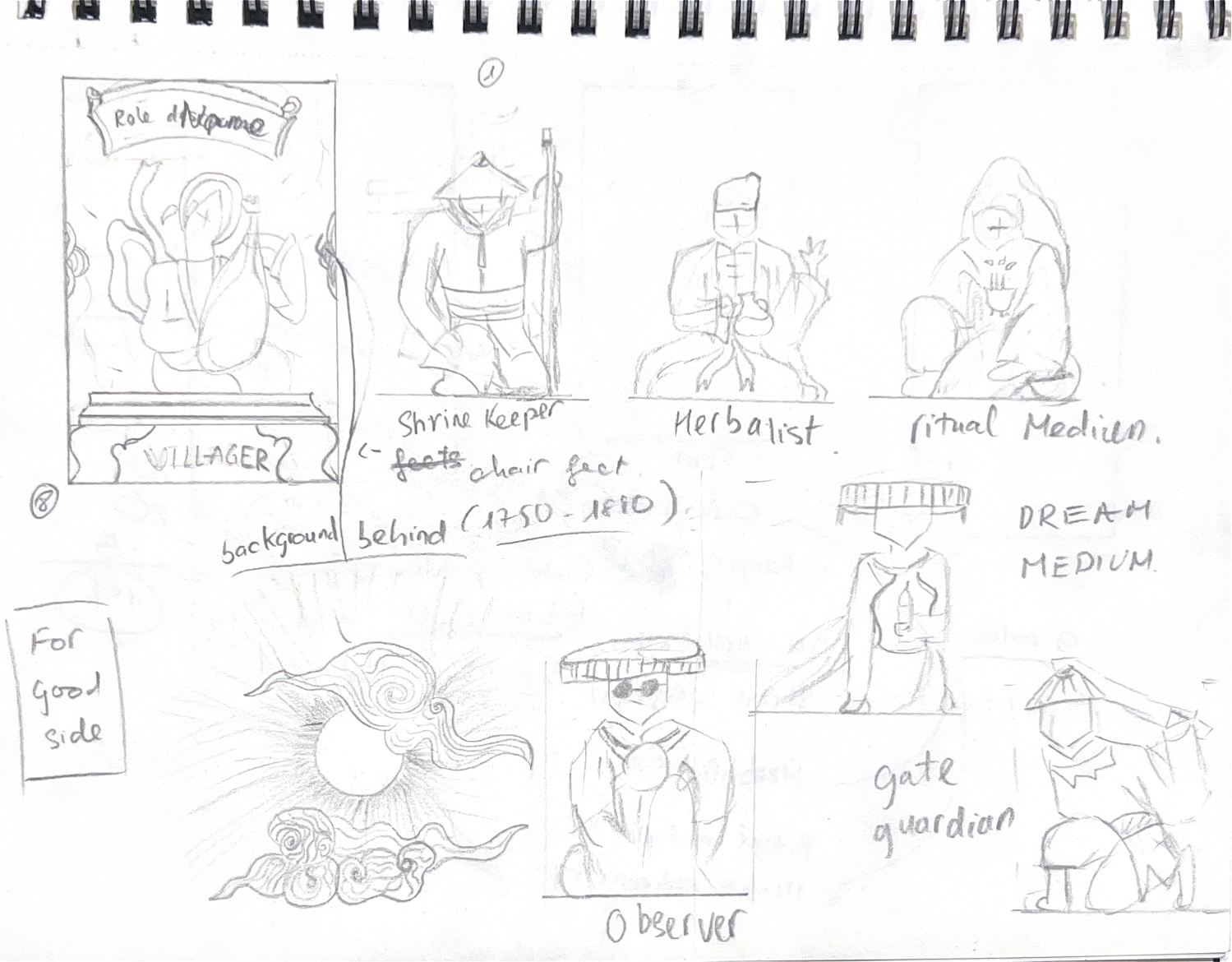
Early concept development involved sketching character silhouettes, experimenting with compositions, and studying traditional motifs. These explorations helped define the tone of the game and guided the design of the final assets, ensuring consistency across all components.
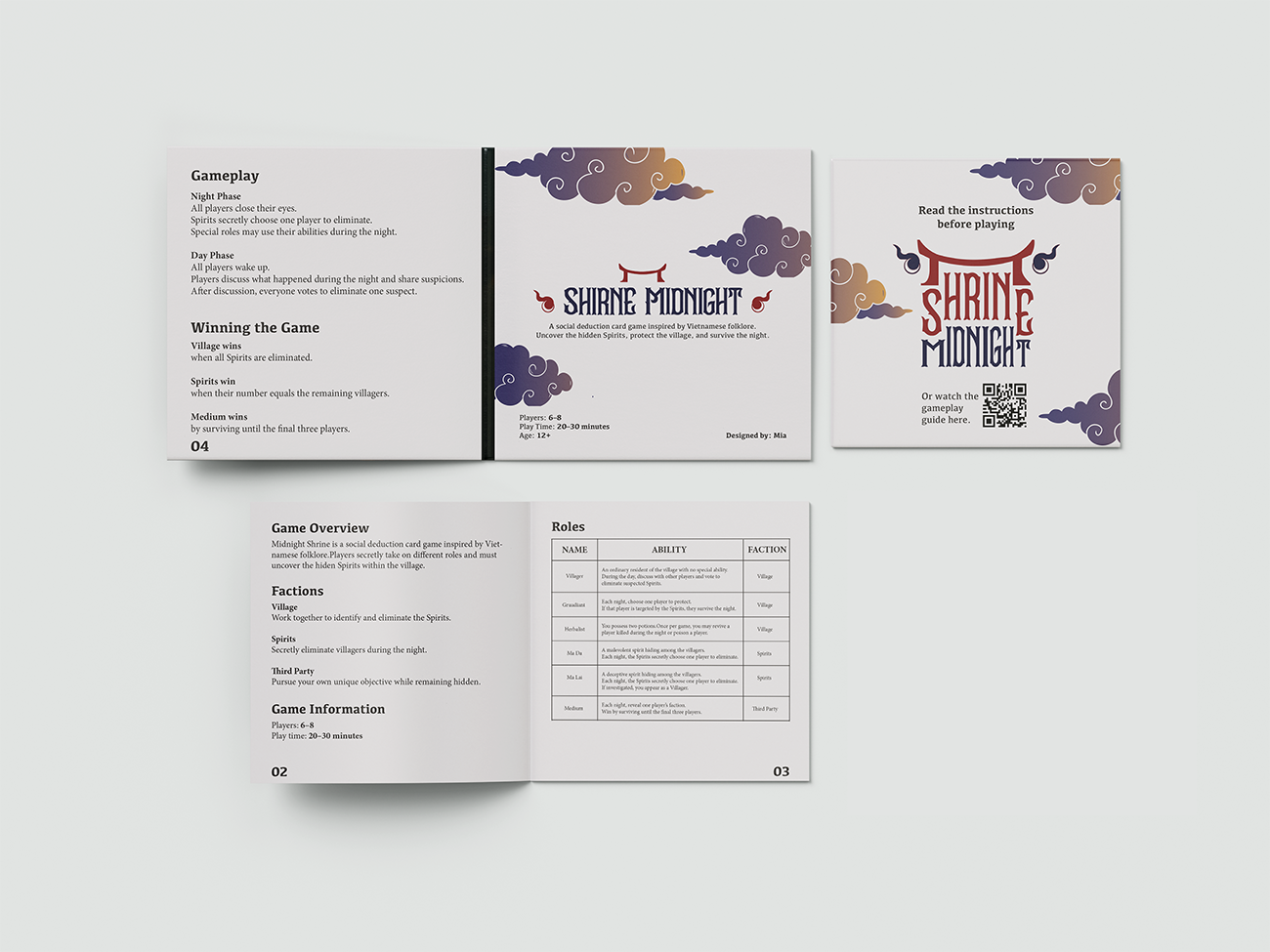
Each faction in Midnight Shrine has a distinct path to victory, shaping how players think and interact throughout the game. The Village wins by identifying and eliminating all Spirit players through discussion and collective decision-making. In contrast, the Spirits aim to eliminate Villagers and win once their number equals or surpasses the remaining players. Meanwhile, the Third Party operates independently, achieving victory by fulfilling a unique condition defined by their specific role.
Midnight Shrine is a social deduction card game inspired by Vietnamese folklore and spiritual traditions. The game reinterprets the familiar Werewolf-style gameplay within a fictional shrine village, where players take on hidden roles as either villagers or spirits.
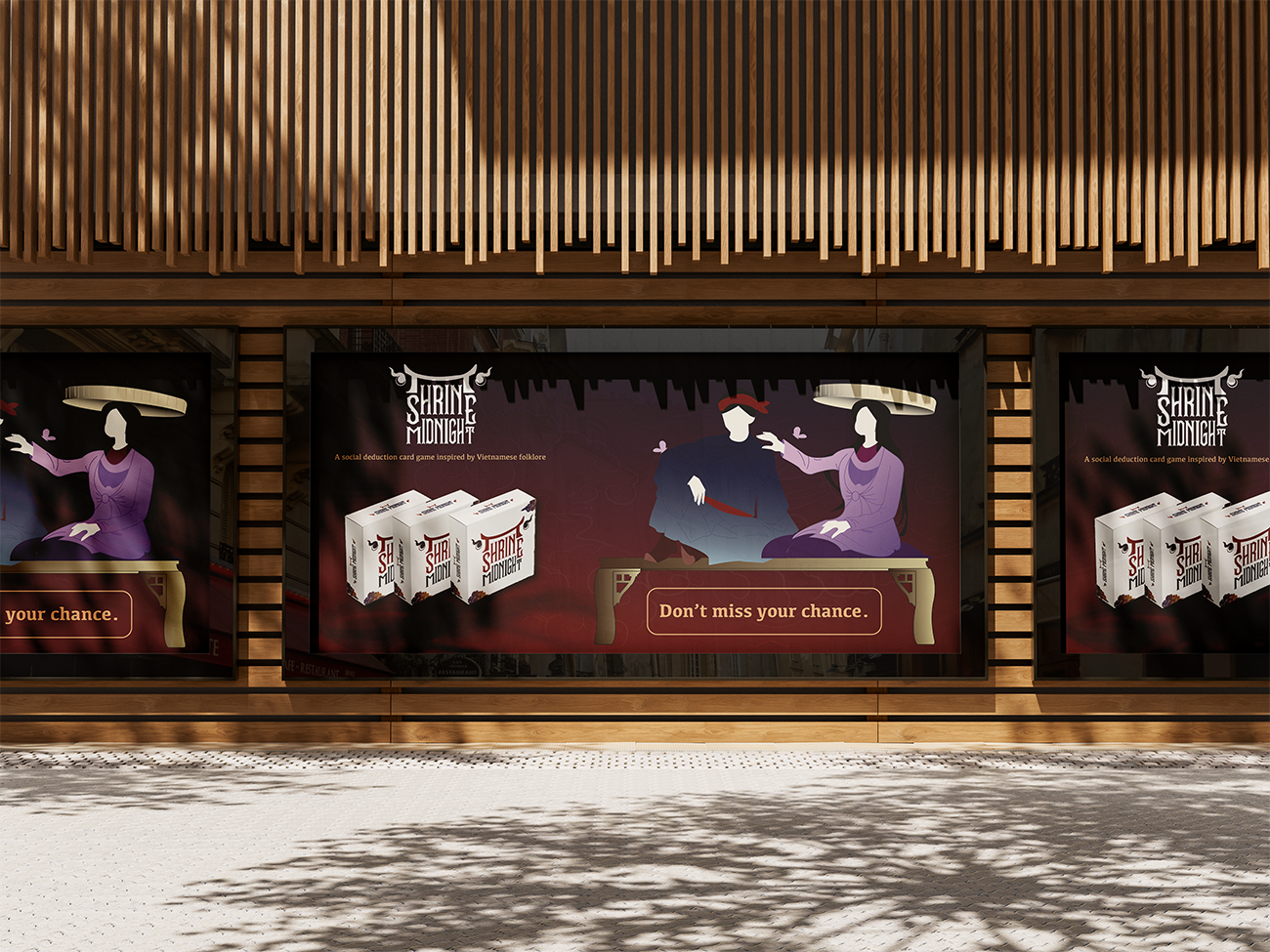
This project focuses on building a cohesive visual identity system, including the logo, character cards, packaging, and rulebook. The goal was to create a design that feels culturally grounded while still fitting within a modern board game context.
Beyond gameplay, Midnight Shrine explores how visual storytelling and interaction design can shape player experience—encouraging communication, observation, and psychological engagement.
%202.png)
%203.png)
%206.png)
GAME SYSTEMS
%205.png)